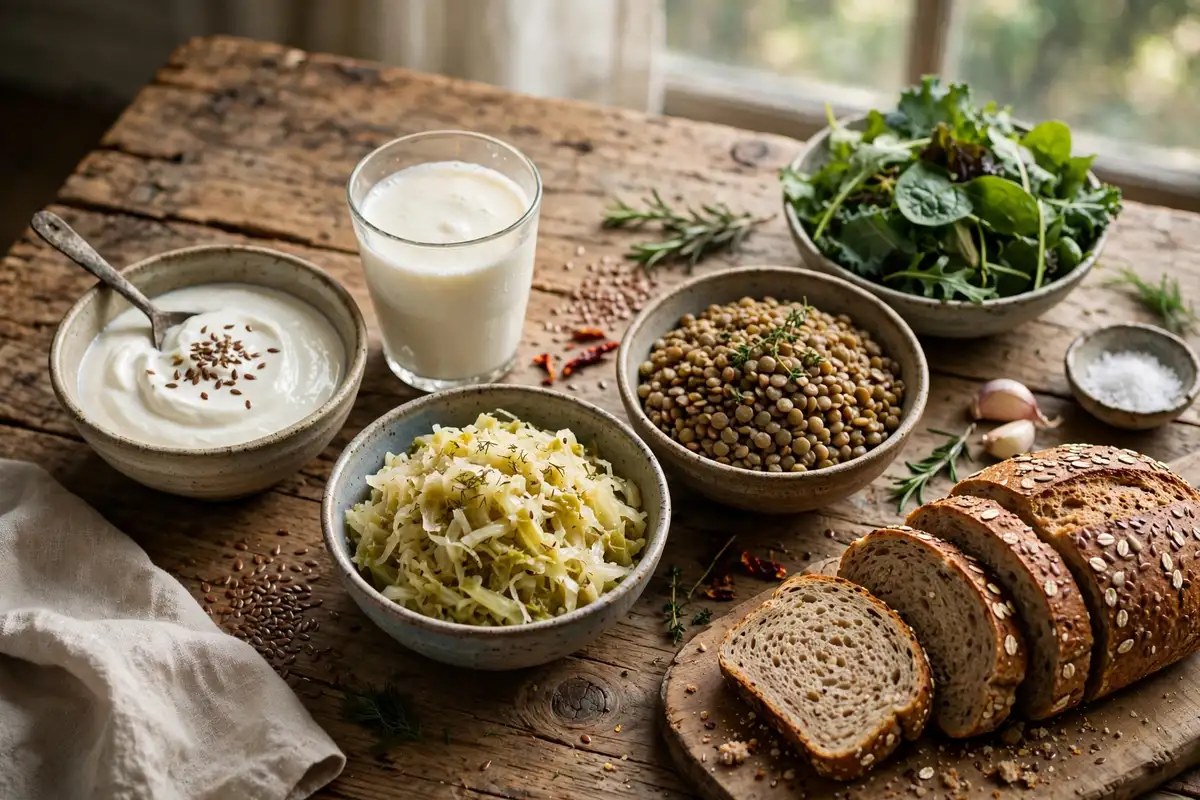
Most home cooking does not fail because of skill. It fails at 6 p.m., in front of an empty fridge, when the choice is between a takeaway and a plate of plain pasta. A cupboard stocked with the right healthy pantry staples quietly removes that problem. With a shelf of grains, pulses, tinned fish, nuts and flavour builders, you are never more than twenty minutes from a balanced meal, and the food you cook at home starts to beat the delivery app on cost, speed and nutrition at the same time. This guide sets out the staples worth keeping, why each earns its space, and how to store and rotate them so nothing is wasted.
Why a Working Pantry Matters
Nutritionists often talk about building meals around what is already in the house, because the healthiest eating pattern is the one you can repeat on a tired Tuesday. Pantry staples are shelf-stable, cheap per portion and endlessly combinable: beans plus rice plus a jar of tomatoes is a meal; oats plus milk plus frozen berries is breakfast; lentils plus stock plus spices is soup. Keeping these basics on hand also cuts food waste, since a well-run store cupboard absorbs the odd leftover vegetable or half-used bag of greens before it spoils. If you are rebuilding your kitchen habits from scratch, our seasonal eating guide pairs naturally with this one, because seasonal produce plus pantry basics is the cheapest route to varied meals.
The Core Shelf: Grains and Pulses
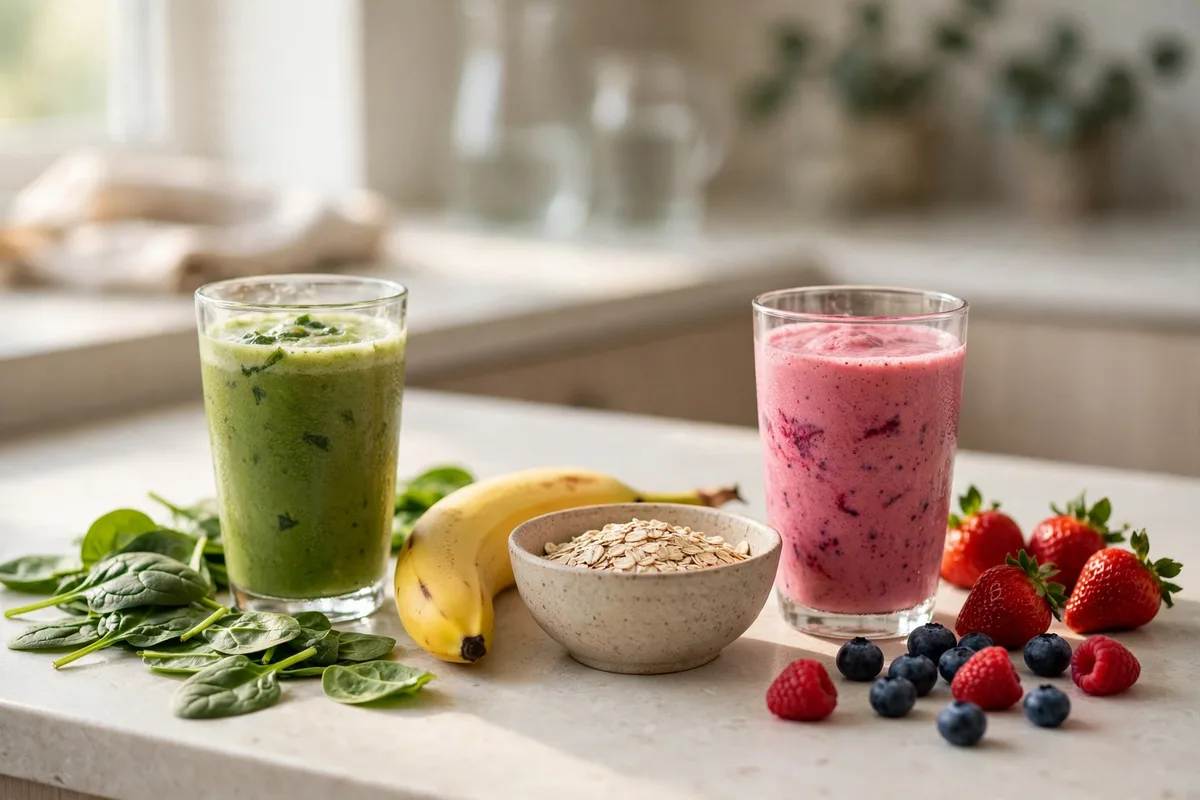
Start with the foods that form the base of a meal. Brown rice, oats, wholemeal pasta and quinoa or bulgur wheat give you slow-release carbohydrates that keep you full for hours. Oats deserve a special mention: they are among the cheapest sources of soluble fibre available, and they work for breakfast, baking and even savoury dishes. Alongside the grains, stock dried red lentils, which cook in twenty minutes with no soaking, plus tins of chickpeas, kidney beans and black beans. Pulses bring protein, fibre and minerals for pennies, and they stretch a small amount of meat across several portions. Our collection of easy healthy smoothie recipes shows the same principle at breakfast: a few base ingredients, endlessly varied.
Proteins That Keep
A good pantry carries protein that does not depend on the fridge. Tinned tuna, sardines and mackerel are the standouts: oily fish provides omega-3 fats that most of us eat too little of, and a tin keeps for years. Sardines in particular are inexpensive, sustainable and rich in calcium when you eat the soft bones. Nut butters, eggs (which keep well for weeks in a cool cupboard or fridge), and dried soya mince or textured vegetable protein round out the shelf. With these in the house, the question “where is the protein in this meal?” always has an answer, which matters if you are planning food around training; our guide to what to eat before and after a workout explains how to time those proteins through the day.
Healthy Fats, Nuts and Seeds
Fats make food satisfying and carry fat-soluble vitamins, so a pantry without them produces meals that never quite fill you up. Keep a bottle of extra virgin olive oil for dressings and gentle cooking, and a neutral oil for higher-heat work. Add a jar of mixed nuts, a bag of ground flaxseed or chia, and sunflower or pumpkin seeds. A tablespoon of seeds stirred into porridge, salads or soup adds crunch, fibre and minerals for almost no effort. Store nuts and seeds in sealed jars away from light, and buy little and often if your kitchen is warm, because their natural oils can turn rancid over a long summer.
Flavour Builders: The Difference Between Fuel and Food
The gap between a nutritious meal and an enjoyable one is usually flavour, and flavour lives in the smallest jars. Tinned tomatoes are the single most useful item in most kitchens: they become soup, sauce, curry and stew with nothing more than heat and seasoning. Add tomato purée, garlic (fresh keeps for weeks), dried herbs, smoked paprika, cumin, chilli flakes, curry powder, soy sauce, vinegar and a jar of mustard. With those on the shelf, plain lentils become a dhal, plain chickpeas become a spiced traybake, and plain rice becomes a pilaf. If you are watching your salt or cooking for children, our article on how to stay healthy while travelling has a useful section on reading labels and spotting hidden sodium in bought sauces, which applies just as much at home.
Storing and Rotating Your Staples
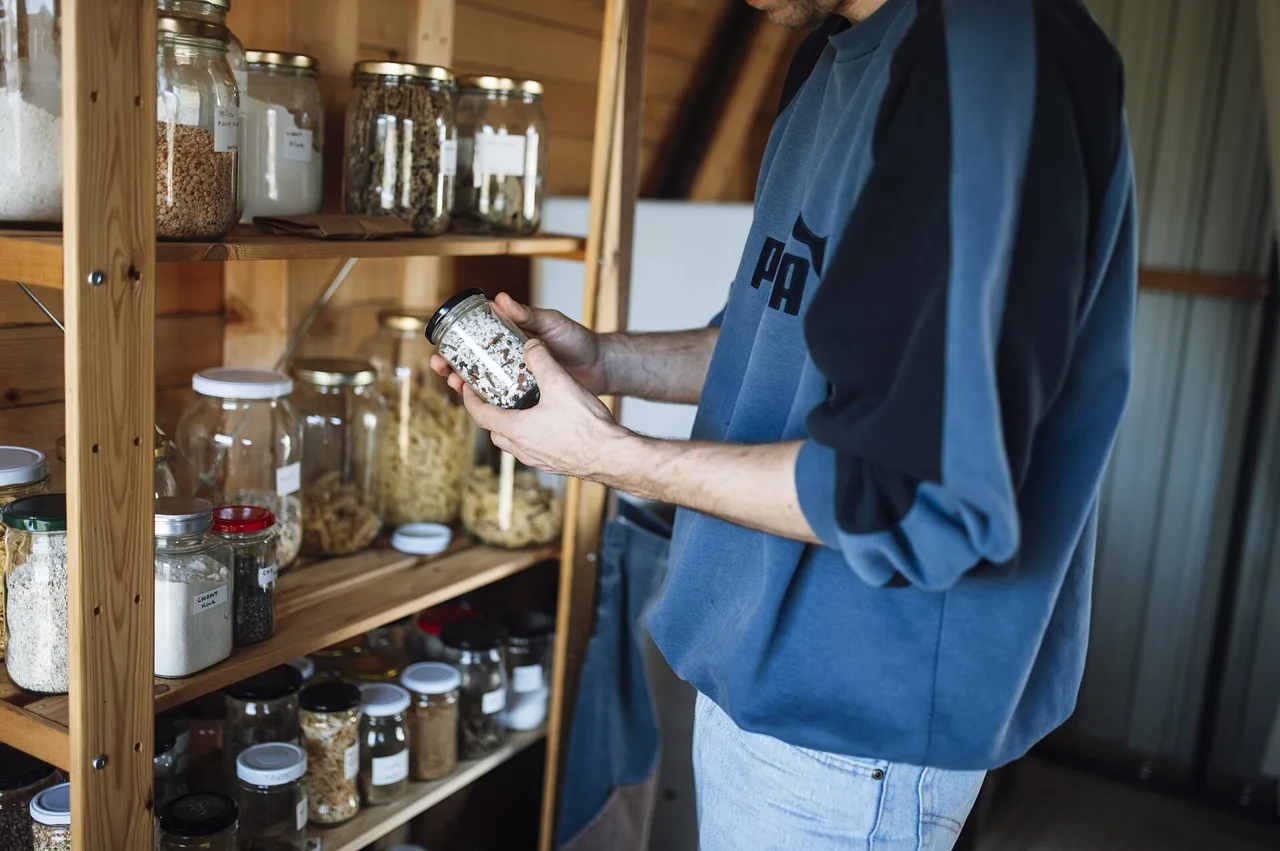
A pantry only works if you can see what you have. Decant grains and pulses into clear, sealed jars or tubs, label them with the month you bought them, and shop from your own shelves before you shop from a store. Follow the simple rule of first in, first out: new purchases go to the back, older stock comes forward. Once a month, plan one “pantry week” meal around whatever is oldest — a bean chilli, a lentil soup, a tuna pasta bake — so stock turns over instead of ageing quietly. Keep a running list on the cupboard door; when a staple drops to its last tin or bag, it goes on the shopping list immediately. That small habit is what turns a cupboard of good intentions into healthy pantry staples that genuinely carry your cooking, week after week.
Start small if your shelves are bare: one grain, one pulse, one tinned fish, olive oil, tinned tomatoes and three spices will transform your weeknight cooking for the price of a single takeaway. Build from there, and explore the rest of our food and nutrition coverage, including our guide to balanced everyday eating, for ideas on putting those staples to work.