Travel is wonderful for the mind and quietly rough on the body. Odd meal times, long sitting, dry cabin air, rich local food, and a bed that is not yours can leave you coming home more tired than when you left. The trick is not discipline worthy of an athlete; it is a handful of small habits that help you stay healthy while traveling without turning the trip into a wellness retreat. This guide covers the food, sleep, and movement habits that frequent travellers rely on, whether the journey is a long-haul holiday or a two-day work trip. Pair it with our roundup of the events held in Paris if your next destination needs a little inspiration first.
Before You Go: Prepare Your Body Like You Pack Your Bag
Healthy travel starts a few days before departure. Shift your sleep gradually toward your destination’s time zone if you are crossing more than three or four hours, even by thirty minutes a night, and get outside for daylight on the morning you travel. Your body clock takes its cues from light and meal times, so giving it a head start softens the landing considerably.
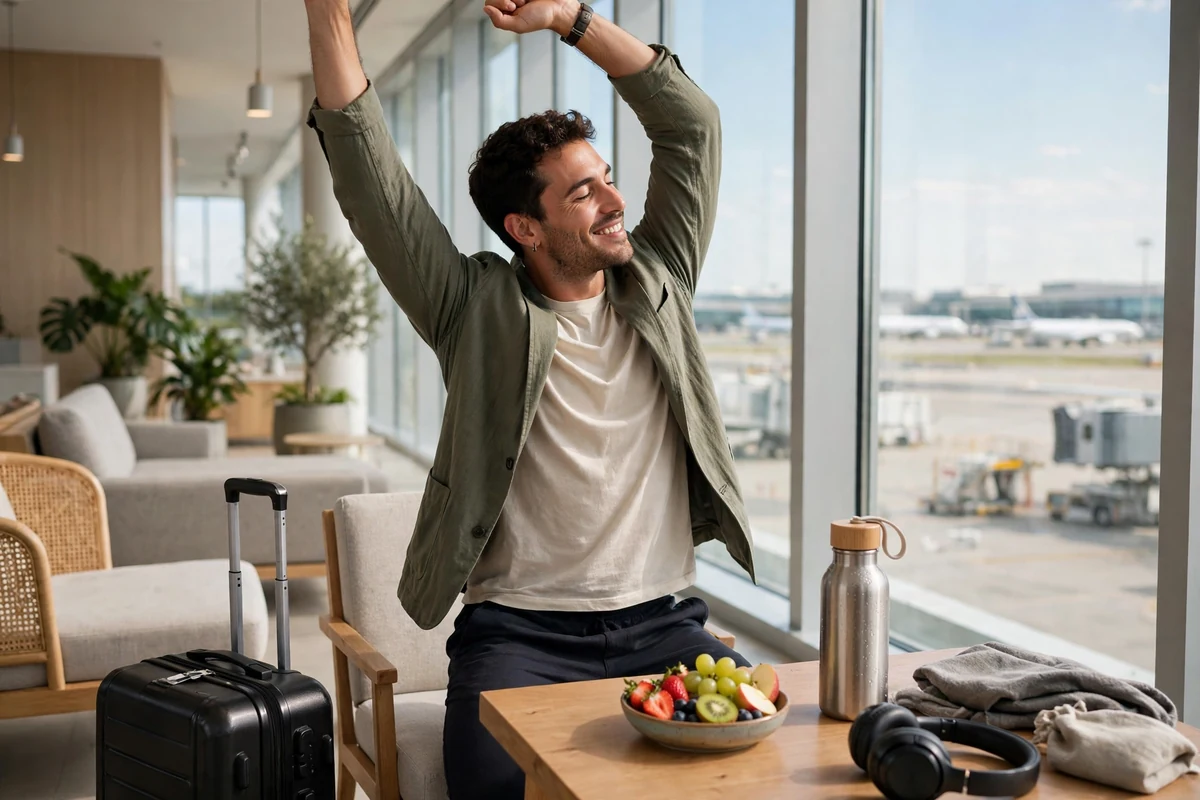
Pack a small health kit in your hand luggage rather than your checked bag: any regular medication, painkillers, plasters, hand sanitiser, moisturiser, and a refillable water bottle you can empty before security and fill after it. Add snacks you trust, such as nuts, dried fruit, or oat bars, so the first delayed connection does not push you straight to the nearest fried-food counter. Finally, download our simple rule for the journey itself: move a little every hour, drink before you feel thirsty, and keep one anchor meal a day genuinely nourishing.
Stay Healthy While Traveling: Eating Well Away From Home
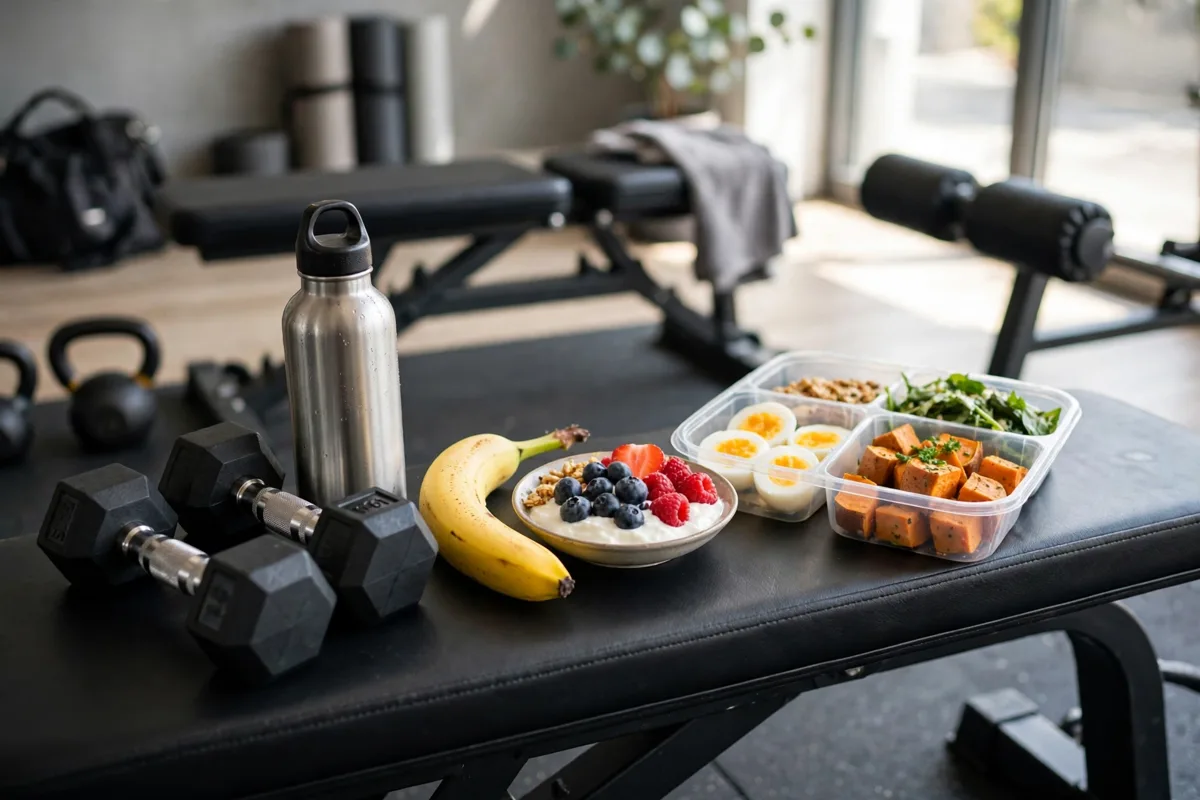
Restaurant food is part of the joy of travel, and nobody is suggesting you skip it. The workable goal is balance across the day rather than perfection at every plate. Start with a real breakfast that includes protein and something fresh, and the rest of the day becomes far easier to manage. Our guide to meal planning for beginners makes the same point for home life, and it applies on the road too: one planned, balanced meal anchors the improvised ones.
At buffets and markets, fill half the plate with vegetables or salad before adding the richer local specialities you actually came to try. Drink water steadily through the day, especially on flights, where cabin air is drier than most deserts; a good target is a glass every hour you are awake in the air. Go gently with alcohol and caffeine at altitude, because both amplify dehydration and fragment the following night’s sleep. And keep your everyday standards from our healthy eating tips in mind: simple, recognisable food, eaten slowly, beats elaborate food eaten in a rush between platforms.
Sleep: The Habit That Decides How the Trip Feels
More than any other factor, sleep decides whether a trip feels exhilarating or exhausting. Cross time zones by adopting destination time the moment you board: eat, sleep, and seek light on the new schedule, and nap only briefly, twenty to thirty minutes, if you truly need it on arrival. A long afternoon nap on day one is the single most reliable way to still be awake at 3 a.m. on day three.
In the room, recreate the basics of home. Keep it cool and dark, use earplugs or a sleep mask if the street is lively, and hold a loose version of your normal wind-down routine, even if it is just reading for fifteen minutes with the phone in another corner. If you are heading somewhere busy, it helps to know what your days will look like; our guide to whether Malta is expensive to visit shows the kind of honest expectation-setting that keeps a trip relaxing rather than frantic.
Movement: Small Doses, Often
You do not need a hotel gym to keep your body happy. Walk whenever the choice exists: to breakfast, between sights, up the stairs at the station. Ten minutes after meals is a particularly good habit, aiding digestion and keeping energy steadier than a second coffee. On long flights or drives, stand and stretch every hour or so, roll your ankles and shoulders in your seat, and never sit for a full travel day without a proper walk at the end of it.
Sightseeing itself is exercise in disguise. A day exploring a walkable city easily passes fifteen thousand steps, which is one reason destinations like those in our list of the most visited places in the US reward travellers who explore on foot. Schedule one deliberately active half-day, a hike, a bike hire, a swim, and let the rest of the movement happen naturally around it.
Protect Your Energy, Skin and Immunity
Travel exposes you to new germs, new weather, and long days in shared air. Wash or sanitise your hands before eating, be sensible with street food by choosing stalls that are busy and cooking to order, and drink sealed or treated water where the local supply is uncertain. None of this requires anxiety, just the same care you would use at a crowded event at home.
Look after skin and energy too. Sun protection matters more on trips because days are spent outdoors and routines slip; apply it in the morning rather than after the first pink shoulders. Moisturiser and lip balm earn their space on flights and in air-conditioned hotels. Finally, pace the itinerary. One memorable experience a day, done properly, will always beat four rushed ones, and your body will thank you for the white space.
A Simple Daily Routine for Any Trip
Pulling it together, a healthy travel day looks like this: daylight and a short walk soon after waking, a proper breakfast, water within reach all day, a walk after lunch and dinner, one balanced anchor meal, screens down before bed, and lights out at a local, sensible hour. None of it is glamorous, and that is exactly why it works anywhere, from a beach holiday to a conference in a new city.
Travel well and you return home with photographs, stories, and the energy to enjoy them. A few small habits are all it takes to make sure the journey gives you more than it takes.