
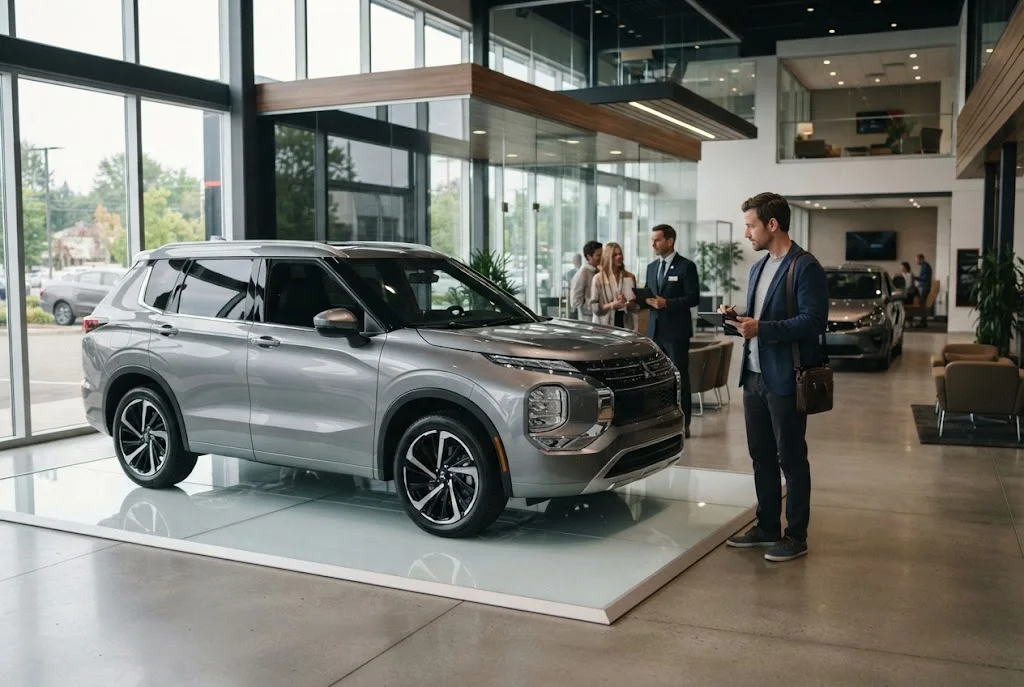
For shoppers researching Pete Moore Mitsubishi, the most useful information is usually practical: what to consider before visiting a dealership, how to compare vehicles, what questions to ask about financing, and how to approach ongoing maintenance. This guide explores those considerations while also explaining how dealership research fits into the wider vehicle-buying journey.
What Is Pete Moore Mitsubishi?
Pete Moore Mitsubishi is associated with Mitsubishi vehicle sales and dealership services. Searches for the dealership can represent several different types of intent. Some people may be looking for a new vehicle, while others may be researching service, financing, inventory, or general dealership information.
That means a useful dealership guide should not focus solely on promotional language. Buyers benefit more from understanding how to evaluate available vehicles, compare ownership considerations, and prepare for the purchasing process.
The same principle applies when researching other automotive businesses. For example, readers interested in vehicle maintenance can explore our guide to auto service and car repair for additional context about maintaining a vehicle after purchase.
Understanding the Mitsubishi Vehicle-Buying Journey
Buying a vehicle is usually a multi-step decision rather than a single transaction. The process can begin with online research and continue through model comparisons, financing discussions, trade-in considerations, insurance, delivery, and future maintenance.
Before visiting a dealership, it helps to establish what you actually need from a vehicle. Consider factors such as:
- Passenger and cargo requirements
- Typical daily driving conditions
- Fuel economy priorities
- Vehicle size and maneuverability
- Technology preferences
- Safety features
- Expected ownership period
- Available purchase budget
- New versus pre-owned vehicle preferences
Having these priorities defined can make dealership conversations more productive because you can evaluate vehicles against your actual requirements rather than being guided entirely by appearance or short-term incentives.
Choosing the Right Vehicle for Your Needs
One of the most important decisions is selecting a vehicle that fits your lifestyle. A compact vehicle may make sense for someone who primarily drives around town, while a larger SUV may be more appropriate for a household that needs additional passenger or cargo space.
Instead of asking which vehicle is universally “best,” shoppers should ask which vehicle best matches their own driving habits.
Consider Your Daily Driving
Think about how and where you normally drive. A daily commuter may prioritize comfort, efficiency, and technology, while a family driver may place greater emphasis on interior space and practical storage.
Long-distance drivers may also place more importance on seating comfort, driving-assistance technology, connectivity, and overall road manners.
Think Beyond the Purchase Price
The cost of owning a vehicle extends beyond the amount paid at purchase. Buyers should consider financing costs, insurance, fuel, scheduled maintenance, tires, repairs, registration, and other ownership expenses.
This broader approach can help prevent a situation where a vehicle appears affordable initially but becomes difficult to manage over the longer term.
New Vehicles and the Importance of Model Research
When researching a new Mitsubishi, buyers should examine the specifications and features that matter most to them rather than relying on general claims about performance or luxury.
Useful comparison points can include:
- Powertrain configuration
- Interior dimensions
- Cargo capacity
- Available driver-assistance features
- Infotainment and connectivity
- Comfort and convenience equipment
- Fuel economy
- Available trim levels
- Warranty information
Vehicle specifications can vary by model year and trim, so shoppers should verify the details for the exact vehicle they are considering.
For readers interested in broader automotive discussions, our article on the Ford Bronco Sport community and vehicle discussions offers another example of how drivers research vehicles beyond dealership advertising.
Why a Test Drive Still Matters
Online research can answer many questions, but it cannot completely reproduce the experience of sitting behind the wheel. A test drive provides an opportunity to evaluate practical factors that may not be obvious from specifications.
During a test drive, pay attention to:
- Driving position
- Seat comfort
- Visibility
- Steering feel
- Brake response
- Ride comfort
- Cabin noise
- Infotainment usability
- Ease of entering and exiting the vehicle
If possible, test the vehicle in conditions that resemble your normal driving environment. A vehicle that looks impressive in photographs may feel very different once you are actually driving it.
Understanding Dealership Financing
Financing is an important part of the vehicle-buying process. Instead of focusing only on the monthly payment, buyers should understand the complete financial structure of the deal.
Important questions include:
- What is the total purchase price?
- What amount is being financed?
- What is the interest rate?
- How long is the loan term?
- What is the total amount payable over the loan?
- Are there additional fees?
- How does a trade-in affect the transaction?
- Are any incentives subject to specific eligibility requirements?
A lower monthly payment does not necessarily mean a lower overall cost. Extending the loan term can reduce the monthly amount while increasing the total interest paid.
Readers interested in the wider subject of financial planning can also explore our guide to strategic financial planning and our discussion of equipment financing considerations.
Trade-Ins: What Buyers Should Consider
If you already own a vehicle, a trade-in may become part of the purchasing process. Before accepting an offer, research the approximate market value of your existing vehicle and understand its condition.
Useful preparation includes:
- Gathering maintenance records
- Removing personal belongings
- Cleaning the vehicle
- Checking for outstanding loan balances
- Reviewing the vehicle’s current condition
- Researching comparable listings
It is also helpful to distinguish between the trade-in value and the remaining balance on an existing loan. If the loan balance exceeds the vehicle’s value, the resulting financial difference should be understood before proceeding.
The Importance of Vehicle Service After Purchase
Buying a vehicle is only the beginning of ownership. Routine maintenance helps owners monitor the condition of important systems and address problems before they become more complicated.
Common maintenance considerations can include:
- Engine oil and filter service where applicable
- Brake inspections
- Tire condition and pressure
- Battery checks
- Fluid inspections
- Scheduled maintenance
- Warning-light diagnosis
- Air-conditioning system checks
Service requirements depend on the specific vehicle, model year, mileage, driving conditions, and manufacturer’s maintenance schedule. Owners should follow the documentation provided for their vehicle rather than relying on a generic maintenance timetable.
For another perspective on vehicle maintenance, see our article covering vehicle care and auto service.
Why Choosing the Right Service Approach Matters
Vehicle service should be approached as an ongoing ownership responsibility. A good maintenance strategy involves keeping records, following recommended service intervals, paying attention to warning signs, and addressing unusual noises or changes in vehicle behavior.
Drivers can also compare different approaches to automotive maintenance. Our guide to professional vehicle care and expert repairs provides another useful perspective on the role of maintenance and repair services.
Similarly, readers can review car repair and maintenance considerations when thinking about long-term vehicle ownership.
What to Ask Before Buying a Vehicle
Prepared questions can make a dealership visit much more productive. Rather than asking only about the monthly payment, consider asking questions that reveal the full ownership picture.
Questions About the Vehicle
- What trim level is this vehicle?
- Which features are included?
- Are there important differences between available trims?
- What warranty information applies?
- Are there optional accessories or packages?
Questions About Financing
- What financing options are available?
- What is the interest rate?
- What is the total amount financed?
- What fees are included?
- How does the loan term affect the total cost?
Questions About Service
- What maintenance does the vehicle require?
- Where can scheduled maintenance be completed?
- What documentation should be retained?
- What should be done if a warning light appears?
These questions help move the conversation from sales language toward practical ownership information.
Comparing Dealerships Without Getting Distracted by Marketing
Dealership websites and advertising often emphasize attractive vehicles, promotions, financing, and customer experience. Those elements can be useful, but buyers should still perform independent comparisons.
Compare dealerships using practical criteria such as:
- Vehicle availability
- Model and trim selection
- Transparent pricing information
- Financing terms
- Trade-in process
- Service department capabilities
- Warranty information
- Communication quality
For maintenance-focused research, readers can also compare information from other automotive service topics, including our guide to vehicle care and peak performance.
Vehicle Appearance Is Only One Part of the Decision
Exterior design can be one of the first things that attracts a buyer to a vehicle, but appearance should not become the only decision-making factor.
A vehicle that looks impressive should still be evaluated for comfort, usability, technology, safety-related equipment, ownership costs, and suitability for everyday driving.
For readers interested in automotive customization and appearance, our guide to lime green auto paint colors explores how vehicle appearance can become part of a driver’s personalization choices.
Technology and Modern Vehicle Ownership
Technology has become an important part of the modern driving experience. Depending on the model and trim, drivers may encounter features related to smartphone integration, infotainment, navigation, driver assistance, cameras, connectivity, and digital controls.
However, more technology does not automatically mean a better vehicle for every driver. The most useful features are those that are easy to understand and genuinely support everyday driving.
When comparing vehicles, spend time learning how important controls work rather than assuming that a long feature list automatically represents greater value.
Insurance Should Be Part of the Buying Calculation
Insurance is another ownership expense that should be considered before finalizing a vehicle purchase. Premiums can vary depending on factors such as the driver, vehicle, location, coverage selections, and insurer.
Obtaining insurance information before completing a purchase can provide a more realistic picture of the total cost of ownership.
For broader financial-protection topics, readers can explore our guide to reliable insurance coverage and our discussion of insurance reviews and coverage considerations.
Preparing for a Dealership Visit
A little preparation can make the buying experience easier. Before visiting Pete Moore Mitsubishi or another dealership, organize the information you are likely to need.
- Set a realistic purchase budget.
- Research the vehicles you are considering.
- Identify preferred features.
- Review your current vehicle’s condition if trading it in.
- Understand your approximate credit and financing position.
- Compare insurance considerations.
- Prepare questions about the vehicle and ownership process.
- Allow enough time for a proper test drive and evaluation.
Preparation also makes it easier to recognize when a vehicle does not actually match your requirements.
How Online Research Improves the Car-Buying Process
Online research gives buyers the opportunity to narrow their choices before arriving at a dealership. Instead of examining every available vehicle without a clear plan, shoppers can identify several suitable options and then use the dealership visit to confirm their choices.
Online research is especially useful for comparing:
- Vehicle dimensions
- Trim differences
- Technology features
- Fuel-economy information
- Ownership considerations
- Financing scenarios
- Maintenance expectations
Automotive forums can also provide insight into the questions drivers commonly ask. For example, the Ford Bronco Sport forum guide illustrates how online communities can become part of vehicle research and ownership discussions.
What Makes a Dealership Experience Useful?
A productive dealership experience should give a buyer enough information to make an informed decision without unnecessary pressure. That means being able to inspect a vehicle, ask questions, understand the financial structure, and evaluate whether the vehicle fits the intended purpose.
Buyers should feel comfortable taking time to review important documents and asking for clarification when something is unclear.
The best dealership experience is ultimately one where the buyer understands what they are purchasing and what the ownership commitment involves.
Long-Term Vehicle Ownership
The relationship with a vehicle does not end when the purchase paperwork is completed. Long-term ownership involves maintenance, insurance, repairs, tire replacement, inspections where applicable, and eventual decisions about whether to keep, sell, or trade the vehicle.
Keeping organized records can be useful throughout this period. Maintenance receipts, repair documentation, warranty information, and other vehicle records can help owners understand the vehicle’s history.
Drivers researching professional maintenance options can also read about car repair services and vehicle performance and maintenance.
Is Pete Moore Mitsubishi Worth Researching?
For someone specifically searching for Pete Moore Mitsubishi, the most sensible approach is to treat the dealership as one part of a broader vehicle-buying process. Research the available vehicles, identify the features that matter, compare financing carefully, understand trade-in implications, and consider long-term maintenance before making a decision.
A dealership can provide access to vehicles, financing discussions, test drives, and service-related information, but buyers should still evaluate each decision according to their own needs and budget.
Final Thoughts on Pete Moore Mitsubishi
Pete Moore Mitsubishi is a dealership-related search that can cover much more than simply finding a vehicle. Buyers may be researching Mitsubishi models, financing, trade-ins, service, maintenance, or the dealership experience itself.
The strongest approach is to make the decision around practical ownership needs rather than promotional language. Research the vehicle, compare relevant options, understand the complete financial commitment, ask clear questions, and think about maintenance before committing.
Whether you are buying your first vehicle, replacing an older car, or simply researching your next Mitsubishi, careful preparation can make the process clearer and help you make a decision that fits your everyday needs.
Frequently Asked Questions
What is Pete Moore Mitsubishi?
Pete Moore Mitsubishi is associated with Mitsubishi vehicle sales and dealership services. People may search for it when researching vehicles, purchasing options, financing, or automotive service.
What should I research before visiting a Mitsubishi dealership?
Research the vehicle models and trims that interest you, your preferred features, your budget, financing possibilities, insurance considerations, and the expected maintenance requirements.
Should I focus on the monthly car payment?
No. The monthly payment is only one part of the financial picture. Buyers should also consider the purchase price, interest rate, loan term, fees, down payment, trade-in value, and total amount paid over the life of the loan.
Why is a test drive important?
A test drive allows you to evaluate factors such as seating position, visibility, ride comfort, steering, braking, cabin layout, and technology controls that may not be obvious from online specifications.
Does vehicle maintenance matter after purchase?
Yes. Following the appropriate maintenance schedule and addressing problems promptly are important parts of responsible vehicle ownership. Exact requirements vary by vehicle and model year.
How can I compare dealerships?
Compare factors such as vehicle availability, pricing information, financing options, trade-in procedures, service support, warranty information, communication, and the overall buying process.