
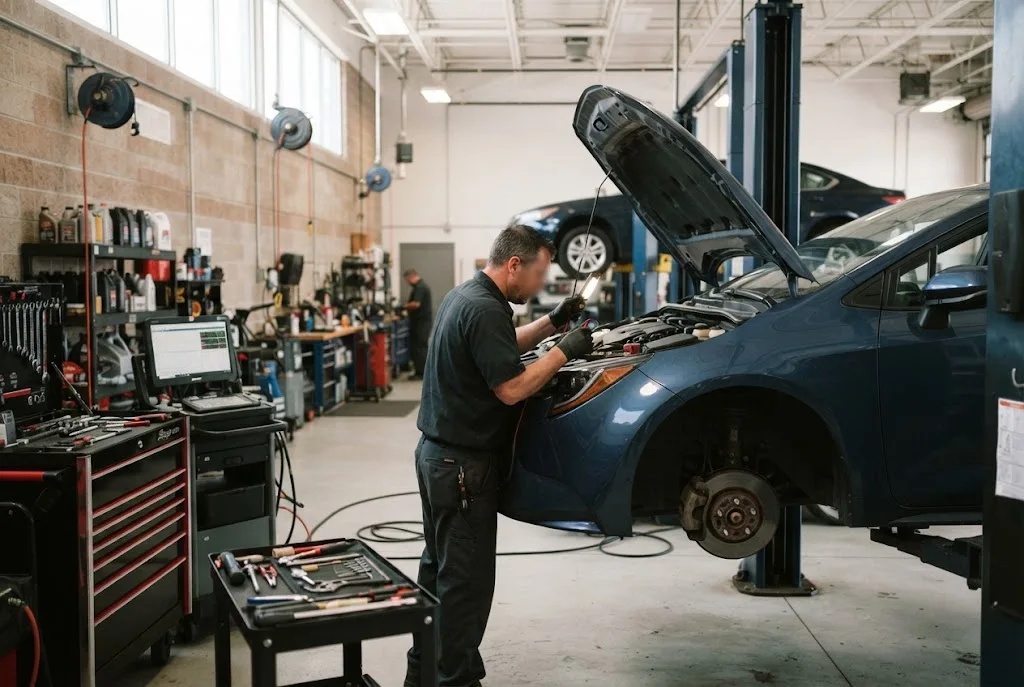
Mexico Auto Service: Expert Vehicle Care You Can Trust Today
Keeping a vehicle reliable requires more than fixing problems after they appear. Regular maintenance, timely inspections, accurate diagnostics, and appropriate repairs all contribute to a safer and more dependable driving experience.
For drivers searching for Mexico auto service, the most important question is not simply whether a shop can perform a repair. It is whether the service provider can properly identify the problem, explain the recommended work, and help the vehicle owner make an informed decision.
This guide explains what to look for in an auto service provider, which maintenance and repair services commonly matter, how diagnostics fit into modern vehicle care, and how to prepare before taking your vehicle to a mechanic.
What Does Mexico Auto Service Mean?
The phrase “Mexico auto service” can refer to automotive repair and maintenance services associated with a business or service provider using that name. For vehicle owners, the broader concept includes the routine and corrective work needed to keep a car, truck, SUV, or other vehicle operating properly.
Automotive service can include everything from oil and filter changes to brake work, battery testing, engine diagnostics, suspension repairs, electrical troubleshooting, tire-related services, and transmission maintenance.
The exact services available vary by repair facility, vehicle, technician capabilities, and the nature of the problem. That is why it is important to confirm that a particular shop handles the type of work your vehicle requires before scheduling an appointment.
Why Regular Auto Maintenance Matters
Preventive maintenance is one of the simplest ways to stay aware of a vehicle’s condition. It does not guarantee that a car will never experience a breakdown, but it can help identify wear and developing problems before they become more disruptive.
Oil condition, brake wear, tire condition, battery performance, fluid levels, belts, hoses, filters, and other components can change as a vehicle accumulates mileage.
Following the maintenance recommendations for your specific vehicle can also help you avoid overlooking services that are easy to postpone but important over the long term.
Drivers researching broader automotive maintenance can also compare this guide with our guide to Balistreri Auto Service and car repair.
Common Auto Services Vehicle Owners Need
Different vehicles require different services, but several categories appear regularly in automotive maintenance and repair.
Oil and Filter Service
Engine oil helps lubricate internal engine components and plays an important role in managing friction and heat. Oil service intervals vary according to the vehicle manufacturer’s recommendations, engine type, oil specification, mileage, and driving conditions.
Replacing the appropriate filters at the recommended intervals can also form part of routine vehicle maintenance.
Brake Inspection and Repair
Brake systems are essential safety components. Signs such as grinding, squealing, vibration, pulling, or unusual pedal behavior deserve attention.
A proper brake inspection can help determine whether the issue involves brake pads, rotors, calipers, hydraulic components, or another part of the braking system.
Vehicle owners should not assume that a noise automatically means one particular component needs replacement. Proper inspection is important before approving repairs.
Battery and Charging System Service
A vehicle’s battery and charging system work together to provide electrical power and support starting and normal operation.
Difficulty starting, dim lights, electrical irregularities, or repeated battery failures may indicate a problem that deserves testing.
A technician can evaluate the battery, charging system, connections, and related components to help identify the underlying issue.
Engine Diagnostics and Repair
Engine problems can appear in many ways. Rough running, reduced acceleration, unusual noises, overheating, fluid leaks, increased fuel consumption, or dashboard warning lights can all justify further investigation.
Modern diagnostic equipment can help technicians retrieve fault information from a vehicle’s onboard systems. However, a diagnostic code is not necessarily the same thing as a complete diagnosis.
Additional testing may be required to determine what caused the problem and which repair is appropriate.
Transmission Service
The transmission is responsible for transferring engine power to the drivetrain. Problems may appear as delayed engagement, slipping, unusual noises, rough shifting, or fluid leaks.
Transmission maintenance requirements differ significantly between vehicles, so owners should follow the manufacturer’s recommendations and have unusual symptoms evaluated rather than guessing at the cause.
For another perspective on automotive repair and vehicle care, see this related Choukri Auto Service guide.
Steering and Suspension
Steering and suspension components affect vehicle control, handling, ride quality, and tire wear.
Excessive bouncing, uneven tire wear, steering changes, unusual noises, or vibration can indicate that an inspection is appropriate.
Because multiple components can produce similar symptoms, a proper inspection is more useful than replacing parts based only on a general symptom.
Cooling System Service
The cooling system helps control engine temperature. Components can include the radiator, coolant, thermostat, water pump, hoses, fans, and related parts.
Repeated overheating, coolant loss, visible leaks, or temperature-gauge changes should not be ignored. Continuing to operate an overheating vehicle can potentially lead to more serious engine problems.
Why Vehicle Diagnostics Are Important
Modern vehicles contain numerous electronic control systems and sensors. As a result, automotive diagnosis increasingly involves both mechanical inspection and electronic testing.
Diagnostic equipment can provide useful information about stored fault codes and system behavior. A technician may then combine that information with physical inspection, testing, and knowledge of the vehicle’s systems.
This matters because replacing parts without identifying the actual cause can lead to unnecessary expense.
A useful repair process should answer three basic questions:
- What problem has been identified?
- What evidence supports the diagnosis?
- What repair or maintenance action is recommended?
How to Choose an Auto Service Provider
Choosing a mechanic should involve more than searching for the cheapest advertised service. A good comparison considers the shop’s capabilities, communication, diagnostic process, and suitability for your particular vehicle.
Check the Services Offered
First, confirm that the repair facility handles the service you need. A shop may be excellent at routine maintenance but may not specialize in every advanced system found in newer vehicles.
Ask About Diagnosis
If your vehicle has a warning light or unusual symptom, ask how the problem will be diagnosed. Understanding the diagnostic process can help you distinguish between evidence-based repair recommendations and guesses.
Request an Estimate
Before approving significant work, ask for an estimate that explains the recommended service. Depending on the repair, the estimate may include labor, parts, diagnostic charges, taxes, and other applicable costs.
Ask About Parts
There can be different parts options for some repairs. Ask whether the shop uses original-equipment, OEM-equivalent, or aftermarket components and whether the choice matters for your particular vehicle.
Understand the Repair Warranty
If a repair includes a warranty, ask what it covers and how long the coverage lasts. Warranty terms can vary by repair facility, component, manufacturer, and service.
Signs Your Vehicle May Need Attention
Drivers often notice changes in a vehicle before a major failure occurs. Common warning signs include:
- Dashboard warning lights
- Unusual engine or transmission noises
- Difficulty starting
- Brake squealing or grinding
- Steering vibration
- Vehicle pulling to one side
- Uneven tire wear
- Fluid leaks
- Engine overheating
- Unusual exhaust behavior
- Reduced acceleration
- Changes in fuel economy
- Unusual smells
None of these symptoms automatically identifies one specific fault. A qualified inspection is needed to determine the actual cause.
Do Not Ignore Dashboard Warning Lights
Dashboard warning lights are designed to alert drivers that a monitored system may require attention. Their importance varies depending on the warning.
A flashing warning light, severe overheating, loss of braking ability, major fluid leak, or other serious symptom may require stopping the vehicle and seeking appropriate assistance rather than continuing to drive.
For less urgent warnings, arranging a diagnostic inspection can help determine whether the issue is minor or requires immediate attention.
Routine Maintenance vs. Repair
Maintenance and repair are related but different.
Maintenance generally involves scheduled or preventive services intended to keep systems operating properly. Examples include oil changes, inspections, filter replacement, fluid service, and other manufacturer-recommended tasks.
Repair addresses a problem that has already developed, such as a failed component, mechanical fault, electrical problem, or damaged system.
Keeping up with maintenance does not eliminate the need for repairs, but it can help vehicle owners stay informed about their vehicle’s condition.
Preparing for an Auto Service Appointment
You can make a mechanic’s job easier by providing accurate information about what you have noticed.
- Write down when the problem started.
- Note whether it happens when starting, accelerating, braking, or turning.
- Record any dashboard warning lights.
- Describe unusual sounds or smells.
- Note whether the problem occurs when the engine is cold or warm.
- Bring recent service records if available.
- Tell the technician about recent repairs or replaced parts.
- Ask questions before authorizing major work.
Specific information can sometimes help narrow down the conditions under which a problem occurs.
Questions to Ask Before Approving Repairs
Vehicle repairs can become expensive when multiple components or systems are involved. Asking a few questions before approving the work can help you understand the recommendation.
- What caused the problem?
- How was the problem diagnosed?
- Is the repair urgent?
- What could happen if the repair is delayed?
- Which parts need to be replaced?
- Are there different repair options?
- What is included in the estimate?
- Is there a warranty on the repair?
- Are there additional maintenance items that should be monitored?
How Preventive Maintenance Can Help Vehicle Owners
Preventive maintenance is primarily about staying ahead of predictable wear and keeping important systems inspected.
For example, checking brakes during routine service may identify worn components. Tire inspections can reveal uneven wear or other problems. Battery testing can provide information about starting-system health. Fluid inspections can reveal leaks that may otherwise go unnoticed.
These inspections do not guarantee that a vehicle will avoid unexpected problems, but they can give owners more information about the condition of the vehicle.
Auto Repair for Different Types of Vehicles
Auto service needs can vary depending on the type and age of the vehicle.
Family Cars and Sedans
Daily-driven sedans often require routine maintenance, brake service, tire care, fluid checks, and occasional mechanical repairs.
SUVs and Crossovers
SUVs and crossovers may have additional drivetrain, suspension, and four-wheel-drive or all-wheel-drive components that require appropriate maintenance depending on the model.
Drivers interested in vehicle-specific ownership discussions can also explore the Ford Bronco Sport guide.
Hybrid and Electric Vehicles
Hybrid and electric vehicles use different powertrain technologies from conventional gasoline vehicles. Their maintenance requirements can therefore differ.
Owners should choose service providers with the appropriate equipment, training, and experience for the specific vehicle technology involved.
How to Compare Different Auto Service Shops
If you are deciding between several repair providers, a simple comparison can make the process easier.
| Factor | What to Check |
|---|---|
| Services | Does the shop perform the repair or maintenance your vehicle needs? |
| Diagnostics | Does the shop explain how it identifies the cause of a problem? |
| Technicians | Are technicians appropriately trained for the vehicle and repair? |
| Communication | Are findings and repair recommendations clearly explained? |
| Estimates | Are costs explained before major work begins? |
| Parts | Does the shop explain available parts options when relevant? |
| Warranty | Are applicable repair warranties clearly explained? |
Mexico Auto Service and the Importance of Informed Vehicle Care
The most useful auto service experience is one where the vehicle owner understands what is being repaired and why.
Rather than focusing only on claims about being the “best” or “ultimate” repair provider, drivers should evaluate an auto service business based on practical factors such as diagnostic ability, service range, technician qualifications, communication, pricing transparency, and the suitability of the recommended repair.
This approach also makes it easier to compare different automotive service providers. For example, NourishPost’s guides to Novato Auto Service and ABBA Auto Service cover similar vehicle-care themes from different perspectives.
Vehicle Maintenance Is Part of Responsible Ownership
Owning a vehicle involves ongoing responsibilities. Regular maintenance, appropriate repairs, safe driving habits, insurance, and attention to warning signs all contribute to responsible vehicle ownership.
Insurance is another important part of protecting a vehicle and its owner. Readers interested in the broader subject can explore vehicle and personal protection through insurance.
Additional insurance resources include insurance coverage and service considerations and understanding insurance protection.
Frequently Asked Questions About Mexico Auto Service
What services are commonly included in auto service?
Common services can include oil changes, brake inspections, tire service, battery testing, engine diagnostics, electrical repairs, cooling-system service, steering and suspension work, transmission service, and other vehicle maintenance or repairs.
How often should a car be serviced?
Service intervals depend on the vehicle manufacturer’s recommendations, mileage, age, driving conditions, and vehicle type. The owner’s manual is an important starting point for determining the appropriate schedule.
What should I do if my check engine light comes on?
If the vehicle is operating normally and the warning is steady, arrange an appropriate diagnostic inspection. If the warning is flashing or accompanied by severe symptoms such as overheating, major loss of power, or other serious problems, stop driving when it is safe to do so and seek appropriate assistance.
Is preventive maintenance really necessary?
Yes. Preventive maintenance helps monitor vehicle systems and address scheduled service requirements. It cannot prevent every failure, but it can help identify wear and potential problems earlier.
Should I get an estimate before car repairs?
For significant repairs, getting a written or clearly explained estimate is a sensible step. It helps you understand the expected work and cost before authorizing the repair.
How can I find a trustworthy mechanic?
Look for a repair provider with appropriate experience, qualified technicians, suitable diagnostic capabilities, clear communication, transparent estimates, and repair policies you understand.
Final Thoughts
Finding dependable Mexico auto service should be about more than promotional claims. Vehicle owners benefit most from accurate diagnosis, appropriate maintenance, clear explanations, and repairs that address the actual problem.
Whether your vehicle needs routine maintenance, brake service, engine diagnostics, electrical troubleshooting, suspension work, transmission service, or another repair, take the time to understand what the vehicle needs before approving major work.
A thoughtful approach to automotive maintenance can help you make better decisions, manage ownership costs, and keep your vehicle in better condition over the long term.