
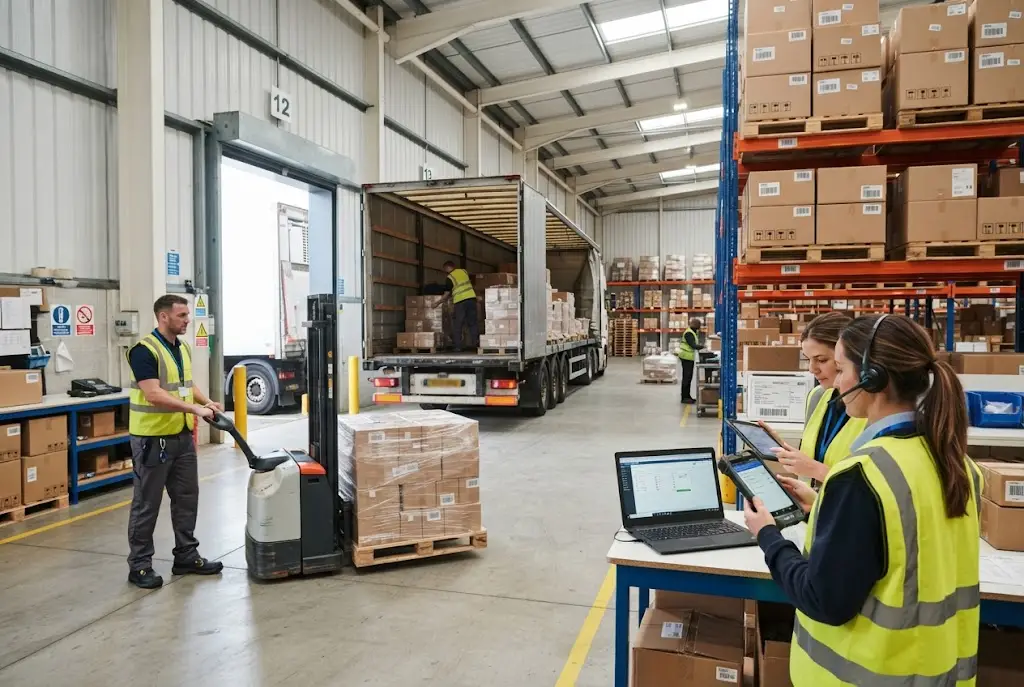
Blue Bear Logistics: A Practical Guide to Supply Chain and Shipping Solutions
Blue Bear Logistics is the focus of this guide for businesses researching logistics providers, supply chain management, freight movement, shipment visibility, warehousing, and delivery operations. Rather than treating logistics as simply moving products from one location to another, modern supply chain management involves coordinating transportation, inventory, storage, information, fulfillment, and risk management.
For businesses evaluating logistics solutions, the most important questions usually involve reliability, visibility, scalability, communication, cost control, and the ability to handle changing shipment requirements. This guide explains the major areas to evaluate when researching Blue Bear Logistics and similar logistics providers, while also placing transportation and supply chain management into a broader business context.
What Is Blue Bear Logistics?
Blue Bear Logistics is presented as a logistics-focused business serving the broader needs of supply chain operations. The original article associated with this page emphasized transportation, shipment tracking, cargo security, technology, customer service, warehousing, analytics, sustainability, and international logistics.
Because individual logistics capabilities can vary by provider, shipment type, destination, and service agreement, businesses should verify the specific services available for their requirements before making a purchasing decision.
The broader concept is important: a logistics provider can become an operational extension of a business when transportation and fulfillment activities are too complex to manage efficiently in-house.
Why Logistics Management Matters to Modern Businesses
Logistics affects much more than transportation costs. It can influence inventory levels, delivery expectations, customer experience, production schedules, warehouse operations, and the amount of working capital tied up in goods.
A company may have an excellent product but still experience operational problems when shipments are delayed, inventory is poorly positioned, orders are processed inefficiently, or transportation information is difficult to access.
This is why businesses increasingly look at logistics as part of their overall operating strategy rather than treating shipping as an isolated administrative task.
Core Areas to Evaluate in a Logistics Provider
Before selecting a logistics partner, businesses should examine several areas rather than relying on marketing language alone.
- Transportation capabilities
- Shipment visibility and tracking
- Warehousing and storage options
- Order fulfillment processes
- Freight coordination
- Customer communication
- Technology and reporting
- Scalability during periods of higher demand
- Security and risk-management procedures
- Pricing structure and additional charges
The right combination depends on whether the business is shipping consumer products, industrial materials, food, equipment, documents, or other types of goods.
Transportation and Freight Coordination
Transportation is one of the most visible parts of logistics. Depending on the supply chain, shipments may move by truck, rail, air, ocean freight, or a combination of transportation methods.
Businesses should understand how a logistics provider coordinates these movements and what information is available during transit. Clear documentation and communication can make it easier to identify delays and adjust plans when circumstances change.
For businesses interested in the wider cargo sector, this guide to the cargo industry provides another useful perspective on transportation and commercial logistics.
Shipment Tracking and Visibility
Shipment visibility has become an important part of supply chain management. Businesses want to know where goods are, whether an expected milestone has been reached, and whether a shipment may require attention.
Tracking systems can provide information such as shipment status, estimated arrival information, transportation milestones, and delivery confirmation. However, the usefulness of tracking depends on the quality of the underlying information and how effectively businesses can act on it.
Good visibility should help a company make better operational decisions rather than simply provide a map showing where a shipment is located.
Warehousing and Inventory Management
Warehousing is closely connected to transportation. Inventory must be received, stored, organized, picked, packed, and prepared for its next destination.
Efficient warehouse management can reduce unnecessary handling and make it easier to fulfill orders accurately. Businesses should therefore evaluate warehouse processes alongside transportation capabilities instead of considering them completely separate services.
Inventory planning is equally important. Holding too much stock can tie up capital and increase storage requirements, while holding too little can create fulfillment problems when demand changes.
Order Fulfillment and Last-Mile Delivery
For e-commerce and direct-to-consumer businesses, fulfillment and last-mile delivery can have a major effect on the customer experience.
Once an order is placed, the supply chain may involve inventory allocation, picking, packing, carrier handoff, transportation, and final delivery. Each stage introduces opportunities for errors or delays.
A logistics strategy should therefore consider the complete journey from inventory location to the customer’s delivery address.
Businesses also benefit from understanding how logistics connects with food and supply-chain logistics, particularly when products have specialized handling or distribution requirements.
Technology in Modern Logistics
Technology can improve logistics by bringing transportation, inventory, order, and operational information into a more connected workflow.
Common technologies used across modern supply chains can include:
- Transportation management systems
- Warehouse management systems
- Barcode and scanning systems
- GPS and shipment tracking
- Inventory management software
- Electronic documentation
- Performance dashboards
- Data analytics
Technology is most valuable when it helps people make faster and better decisions. A sophisticated dashboard alone does not guarantee better logistics performance.
For businesses exploring the relationship between technology and operations, business connectivity technology offers another useful example of how digital infrastructure can support modern operations.
Data and Analytics for Supply Chain Decisions
Logistics generates large amounts of operational information. Shipment records, delivery times, inventory movements, transportation costs, order volumes, and warehouse activity can all contribute to a better understanding of supply chain performance.
Businesses can use this information to identify recurring delays, evaluate transportation performance, improve inventory planning, and determine where operational changes may provide the greatest benefit.
The goal should not be collecting data simply because it is available. The goal is turning relevant information into decisions that improve efficiency and reliability.
Security and Risk Management in Logistics
Cargo security is another important consideration when evaluating logistics services. Businesses may need to consider risks such as theft, loss, damage, unauthorized access, documentation errors, and transportation disruptions.
Security practices can vary depending on the type of goods and the transportation environment. High-value, sensitive, regulated, or temperature-dependent products may require additional controls.
Businesses should ask potential logistics providers how cargo is handled, documented, monitored, and protected throughout the transportation process.
International Shipping and Supply Chain Complexity
International logistics introduces additional layers of complexity. Cross-border shipments may involve customs documentation, import and export requirements, transportation coordination, duties, taxes, and different operational standards.
A business considering international logistics should understand which parts of the process are handled by its logistics provider and which responsibilities remain with the shipper.
Clear documentation is particularly important because mistakes in shipment information can create delays or additional administrative work.
For another logistics-focused perspective, this overview of global logistics operations explores the broader role of transportation and supply chain coordination.
How Logistics Supports E-Commerce Businesses
E-commerce businesses often depend heavily on logistics because customers experience the brand not only through a website or product but also through order fulfillment and delivery.
A strong e-commerce logistics process should connect inventory availability, order processing, warehouse operations, shipping, tracking, returns, and customer communication.
As order volumes increase, manual processes can become difficult to manage. Businesses should therefore consider whether their logistics systems can scale without creating unnecessary administrative work or fulfillment errors.
Logistics for Manufacturing Businesses
Manufacturers often have more complex logistics requirements than businesses selling finished consumer products. Materials may need to arrive according to production schedules, components may move between facilities, and finished goods may then need to be distributed to customers or other locations.
A delay in one part of the supply chain can affect several downstream activities. This makes coordination especially important for businesses operating manufacturing and distribution networks.
Supply chain planning should therefore consider inbound materials, production requirements, storage, outbound transportation, and customer demand as interconnected processes.
The Role of Fuel and Transportation Management
Transportation costs are influenced by factors such as vehicle utilization, routing, fuel consumption, shipment density, and distance. Fuel management can therefore be an important consideration for businesses operating or coordinating transportation fleets.
Fuel management technology is one example of the wider operational systems that can support transportation efficiency.
Rather than looking at transportation expenses in isolation, businesses should evaluate total logistics costs across shipping, storage, handling, inventory, administration, and potential delays.
How to Compare Blue Bear Logistics With Other Providers
When researching Blue Bear Logistics or another logistics company, businesses should compare providers using consistent criteria.
| Evaluation Area | What to Consider |
|---|---|
| Transportation | Available transportation methods and shipment requirements |
| Tracking | Visibility into shipment status and delivery milestones |
| Warehousing | Storage, inventory handling, and fulfillment capabilities |
| Technology | Systems, integrations, reporting, and data visibility |
| Customer support | Communication processes and issue resolution |
| Pricing | Base rates, accessorial charges, storage costs, and other fees |
| Scalability | Ability to support changing shipment volumes |
| Special requirements | Handling requirements for specific products or shipment types |
Comparing providers this way helps prevent a business from choosing a logistics partner based solely on a headline price or broad marketing promise.
Questions to Ask Before Choosing a Logistics Provider
Before entering a logistics agreement, businesses should ask practical questions about how the service will actually work.
- Which transportation services are available?
- How is shipment status communicated?
- What warehouse services are available?
- How are inventory records managed?
- Which systems can integrate with existing business software?
- How are damaged or delayed shipments handled?
- Which costs are included in quoted pricing?
- Are there minimum shipment or storage requirements?
- How does the provider handle seasonal volume increases?
- Which responsibilities remain with the business?
These questions can reveal important differences between logistics providers that may not be obvious from a service-page description.
Logistics, Insurance, and Business Risk
Businesses should also consider how transportation and inventory risks interact with their broader risk-management strategy. Insurance requirements can vary depending on the business, goods, transportation arrangements, and contractual responsibilities.
For readers researching business coverage more broadly, this overview of business insurance considerations provides related information.
Insurance should not be treated as a replacement for proper cargo handling and operational controls. Instead, businesses should understand where contractual responsibility and financial risk sit throughout the supply chain.
Sustainability in Logistics
Sustainability has become another consideration in transportation and supply chain planning. Businesses may evaluate route efficiency, packaging, warehouse energy use, vehicle utilization, and transportation choices when looking for ways to reduce waste and resource consumption.
However, sustainability claims should be evaluated carefully. Businesses should distinguish between specific measurable operational practices and broad environmental marketing language.
A practical approach is to identify which logistics decisions can reduce unnecessary transportation, excess packaging, inefficient inventory movement, or avoidable resource consumption.
What Makes a Logistics Strategy Effective?
An effective logistics strategy balances several competing priorities rather than maximizing one metric.
- Reliability: shipments should move according to realistic expectations.
- Visibility: businesses should have useful information about operational status.
- Efficiency: transportation and fulfillment processes should minimize unnecessary costs and handling.
- Flexibility: operations should be able to respond to changing demand.
- Security: goods and information should be appropriately protected.
- Communication: businesses should know how issues are identified and resolved.
No single logistics model works for every company. The best approach depends on the business model, products, customers, geography, order volume, and operational priorities.
Related Logistics and Supply Chain Resources
Blue Bear Logistics sits within a broader logistics ecosystem that includes transportation, freight, warehousing, distribution, and supply chain management. Readers researching related topics can also explore global shipping and logistics and logistics independent contractor operations.
Businesses interested in operational equipment and financing can also review equipment financing considerations, while organizations evaluating technology infrastructure may find electronics quality assurance standards relevant to technology-dependent operations.
Frequently Asked Questions About Blue Bear Logistics
What is Blue Bear Logistics?
Blue Bear Logistics is the subject of this guide and is presented as a logistics and supply chain-focused business. Specific services, availability, pricing, and operating capabilities should be confirmed directly with the provider before making a decision.
What should businesses look for in a logistics provider?
Businesses should evaluate transportation capabilities, tracking, warehousing, fulfillment, communication, technology, pricing, security, scalability, and the provider’s ability to meet their specific shipment requirements.
Why is shipment tracking important?
Shipment tracking provides operational visibility. It can help businesses understand shipment status, communicate with customers, identify potential delays, and make better supply chain decisions.
Does logistics include warehousing?
It can. Logistics services may include transportation, warehousing, inventory management, fulfillment, distribution, and related supply chain activities, depending on the provider and agreement.
How can businesses reduce logistics costs?
Businesses can examine transportation routes, shipment consolidation, inventory levels, warehouse processes, carrier performance, packaging, and avoidable administrative work. Cost reduction should be evaluated alongside service reliability and customer expectations.
Is technology important in supply chain management?
Yes. Tracking, inventory systems, transportation management tools, reporting platforms, and analytics can improve visibility and decision-making. The value depends on how effectively the technology supports real operational needs.
Final Thoughts on Blue Bear Logistics
Blue Bear Logistics is best understood within the wider context of modern supply chain management. Businesses evaluating a logistics provider should look beyond broad claims about speed, technology, or reliability and examine the specific services, processes, costs, responsibilities, and capabilities that apply to their own operations.
Whether a company needs transportation coordination, warehousing, fulfillment, shipment visibility, or broader supply chain support, a structured evaluation can make the selection process much more effective. Comparing providers against consistent criteria also helps businesses identify the logistics model that best fits their products, customers, volume, and growth plans.
For further reading, explore related topics covering global logistics, supply chain distribution, global shipping, and the cargo industry.